


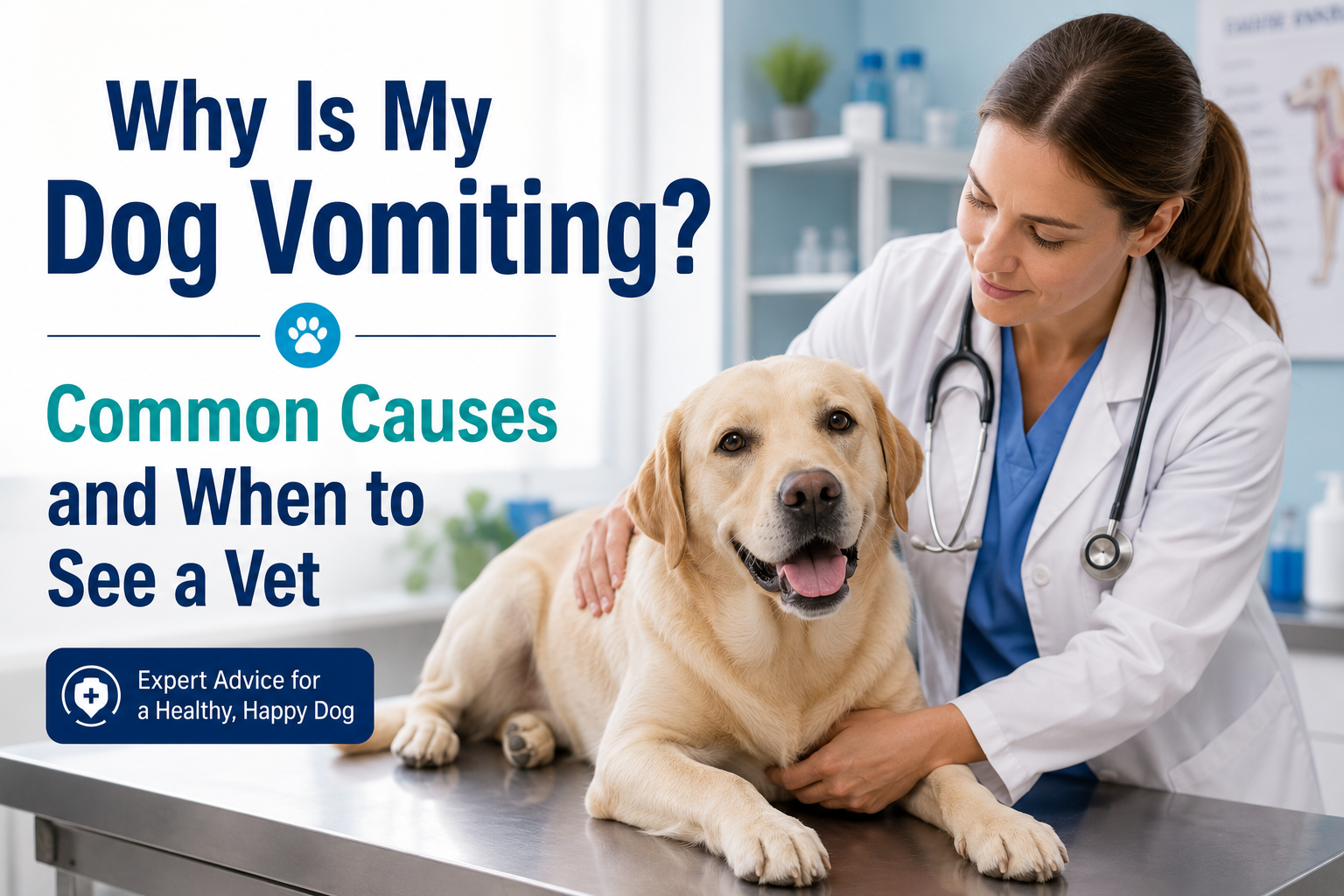
Seeing your dog vomit can be worrying, but one isolated episode does not always mean there is a serious problem. Dogs may vomit after getting into garbage, changing foods suddenly, or swallowing something that irritates the stomach. Vomiting can also signal poisoning, an intestinal blockage, pancreatitis, infection, or disease affecting the kidneys or liver.
The key questions are how often your dog is vomiting, whether other symptoms are present, and whether your dog may have eaten something dangerous. Repeated vomiting, blood, weakness, a swollen abdomen, or unsuccessful attempts to vomit require urgent veterinary attention.
Veterinary note: This article provides general information and cannot diagnose your dog. Contact your veterinarian for advice based on your dog’s symptoms and medical history.
Is It Vomiting or Regurgitation?
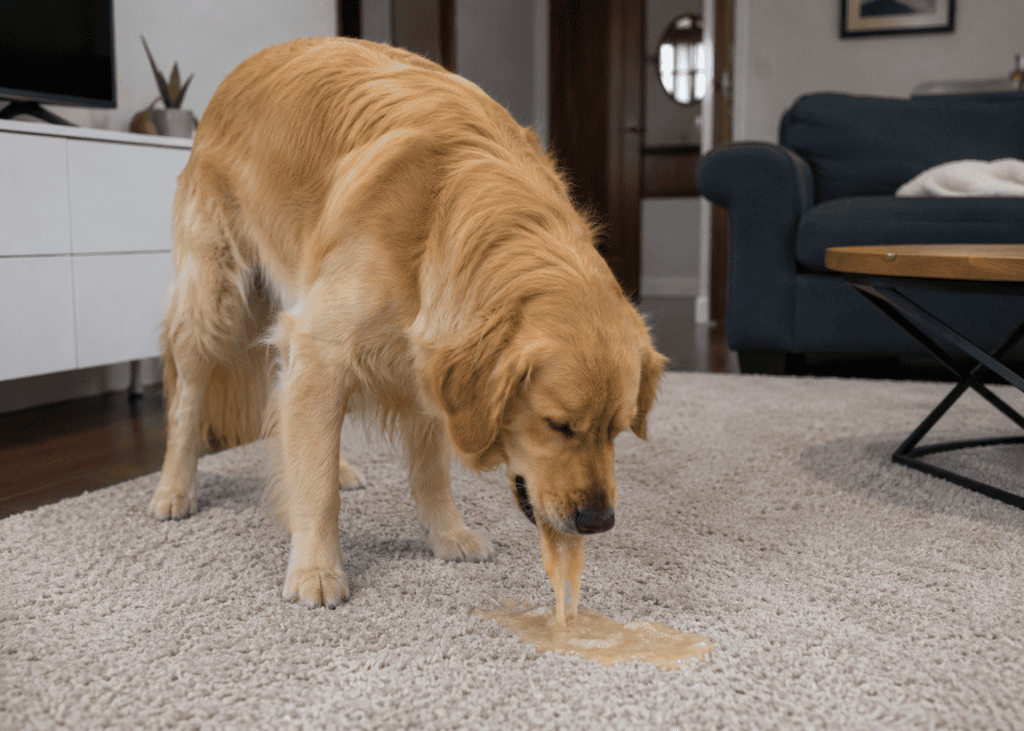
Vomiting is an active process. A dog may lick its lips, drool, swallow repeatedly, or become restless. The abdomen then contracts before food, foam, or liquid is expelled.
Regurgitation is usually passive. Material comes up suddenly without retching or abdominal effort, often shortly after eating or drinking. Regurgitated food is frequently undigested. This distinction helps a veterinarian determine whether the problem involves the digestive tract or the esophagus.
Common Causes of Vomiting in Dogs
Eating Something Inappropriate
Dietary indiscretion is a common cause of sudden vomiting in dogs. Dogs may become sick after eating garbage, table scraps, spoiled food, unfamiliar treats, or rich food. A sudden diet change can also upset the digestive system.
A mild case may resolve quickly, but serious conditions can cause similar symptoms. Do not automatically assume that your dog only has an upset stomach.
Gastroenteritis, Infections, and Parasites
Inflammation of the stomach and intestines may cause vomiting, diarrhea, reduced appetite, and abdominal discomfort. Possible triggers include viruses, bacteria, parasites, spoiled food, and dietary irritation.
Puppies and unvaccinated dogs need particular attention. Vomiting followed by severe or bloody diarrhea may be caused by canine parvovirus, which can progress rapidly and requires prompt veterinary treatment.
A Swallowed Object or Intestinal Blockage
Dogs sometimes swallow socks, toys, bones, corn cobs, stones, or packaging. An intestinal blockage may cause repeated vomiting, loss of appetite, abdominal pain, lethargy, diarrhea, or reduced stool production.
An obstruction is an emergency. Delayed treatment can lead to dehydration, intestinal damage, perforation, shock, and other life-threatening complications.
Pancreatitis
Pancreatitis is inflammation of the pancreas. Affected dogs may vomit, stop eating, become lethargic, or show abdominal pain. The condition can range from mild to severe, so a veterinarian should assess vomiting combined with obvious discomfort.
Toxins, Medications, or Harmful Foods
Vomiting may follow exposure to chocolate, xylitol, grapes or raisins, human medications, household cleaners, pesticides, toxic plants, and other dangerous substances. The risk depends on what was swallowed, how much was consumed, and the dog’s size and health.
Do not wait for more symptoms after suspected poisoning. Contact a veterinarian or animal poison-control service immediately. Never induce vomiting unless a veterinary professional specifically instructs you to do so; inappropriate home methods can cause further harm.
An Underlying Medical Condition
Kidney disease, liver disease, uncontrolled diabetes, Addison’s disease, heatstroke, neurological disorders, and cancer can cause vomiting. Recurrent episodes accompanied by weight loss, increased thirst, changes in urination, or reduced energy should be investigated.
Motion sickness can also cause drooling, lip licking, restlessness, inactivity, and vomiting during car journeys.
What Does the Vomit Look Like?
The appearance of your dog’s vomit may provide useful information, but it cannot confirm a diagnosis. Yellow bile, white froth, food, grass, or other recently swallowed material may be present.
Fresh blood or dark material resembling coffee grounds can indicate bleeding and should be reported promptly. Take a photograph before cleaning the area and note the color, timing, frequency, approximate amount, and anything unusual.
When Is Dog Vomiting an Emergency?
Seek emergency veterinary care when your dog:
- Repeatedly tries to vomit but produces little or nothing
- Has a swollen, tight, or painful abdomen
- Vomits blood or material resembling coffee grounds
- Cannot keep water down or continues vomiting repeatedly
- Becomes weak, unresponsive, disoriented, or collapses
- Has pale, blue, or purple gums
- Has breathing difficulty, seizures, severe diarrhea, or obvious pain
- May have swallowed a foreign object, medication, poison, or toxic food
- Is a young or unvaccinated puppy with diarrhea or lethargy
These signs can accompany serious problems such as poisoning, shock, parvovirus, an intestinal obstruction, or gastric dilatation-volvulus.
Repeated unproductive retching with abdominal swelling may indicate gastric dilatation-volvulus, commonly called bloat. This life-threatening condition occurs when the stomach becomes distended and twists. It requires immediate medical and surgical treatment and should never be monitored at home.
Contact your regular veterinarian the same day if vomiting continues for several hours, returns repeatedly, or occurs with reduced appetite, fever, diarrhea, dehydration, lethargy, or abdominal pain. Even an otherwise alert dog should be examined if vomiting continues beyond approximately 24 hours.
What Should I Do at Home?
After one isolated episode, keep your dog calm and remove access to garbage, treats, toys, plants, and other items that could be swallowed. Keep fresh water available unless your veterinarian advises otherwise, but do not force your dog to eat or drink.
Do not give human painkillers, antacids, anti-diarrheal drugs, or leftover pet medication. These products may be unsafe or complicate treatment. Do not withhold food for a prolonged period or use home remedies unless instructed by your veterinarian.
Record when the vomiting began, how many times it occurred, what your dog recently ate, current medications, possible toxin exposure, and any other symptoms. Bring relevant food, medication, or chemical packaging to the veterinary clinic.
How Will a Veterinarian Find the Cause?
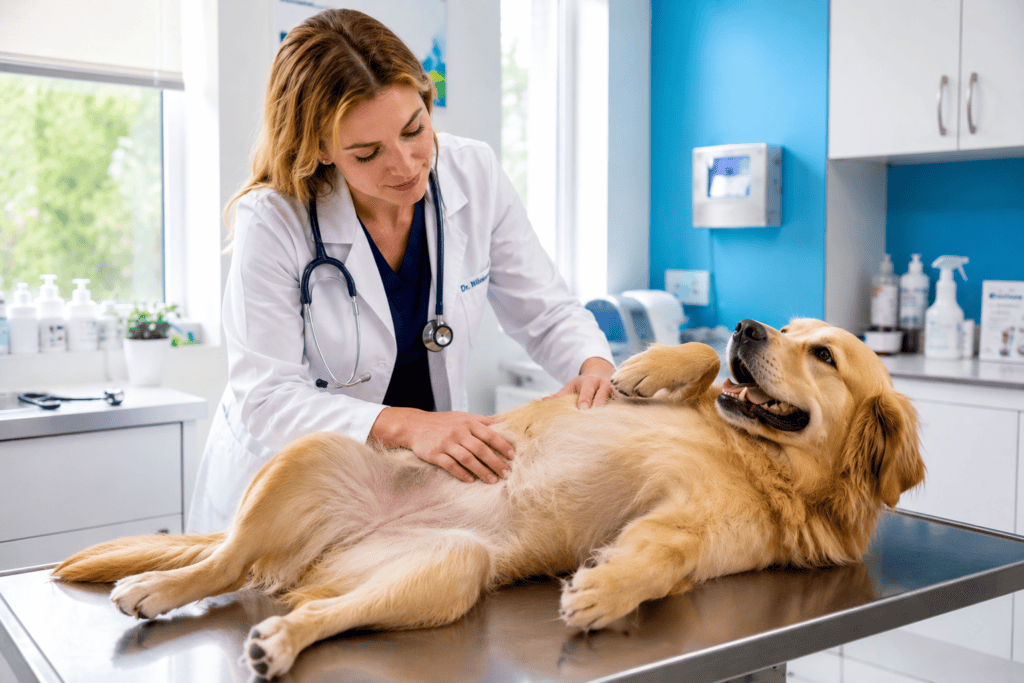
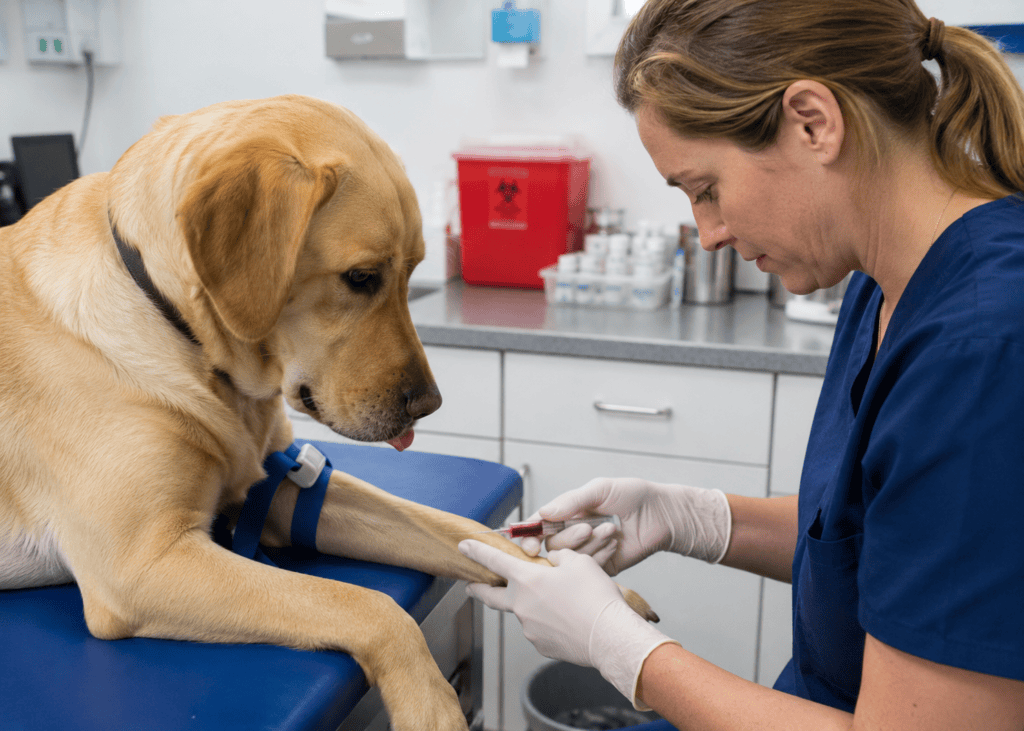
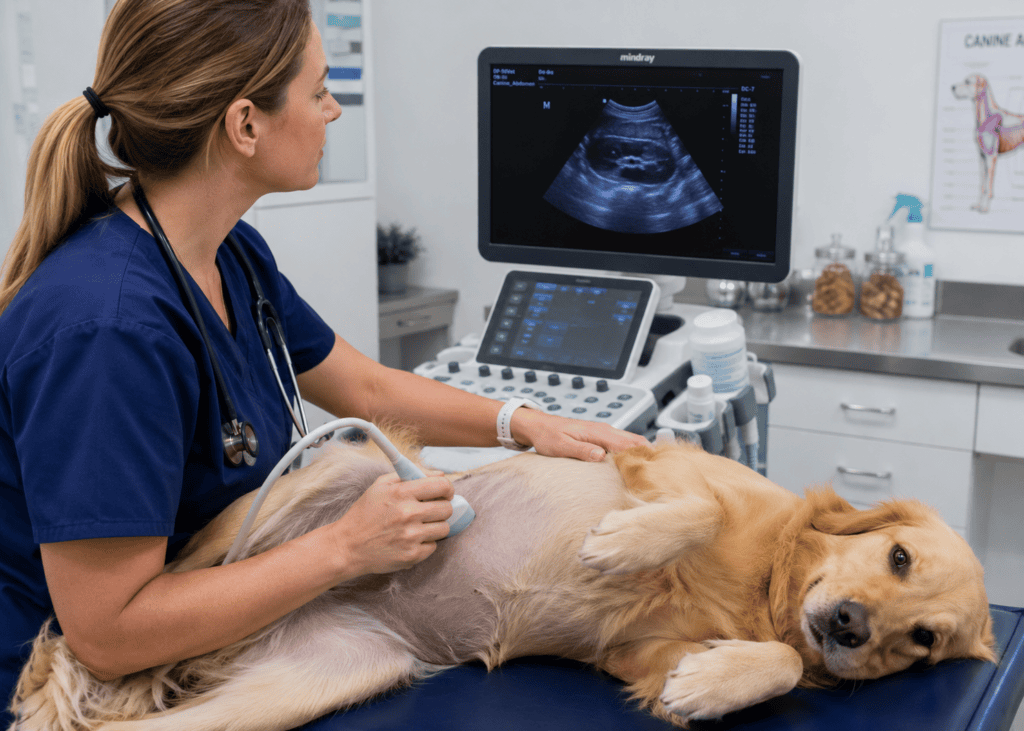
Your veterinarian will review your dog’s recent history, check for dehydration, and perform a physical examination. Depending on the findings, diagnostic testing may include:
- Blood tests
- Urinalysis
- Fecal testing for parasites
- Abdominal X-rays
- Abdominal ultrasound
These tests can help identify infection, organ dysfunction, electrolyte disturbances, dehydration, pancreatitis, parasites, or an intestinal obstruction.
Treatment depends on the cause and severity. It may include fluids, anti-nausea medication, stomach protection, an easily digested diet, parasite treatment, or care for an underlying disease. An obstruction, bloat, or another surgical condition may require an urgent procedure.
Frequently Asked Questions
Why is my dog vomiting yellow liquid?
Yellow vomit often contains bile, but color alone cannot identify the cause. Contact your veterinarian if the vomiting continues, returns regularly, or is accompanied by changes in your dog’s appetite, energy, stool, or behavior.
Should I feed my dog after vomiting?
Do not force your dog to eat. Once vomiting is controlled, a veterinarian may recommend small portions of an easily digested diet. The safest plan depends on your dog’s age, size, health, and other symptoms.
Can I give my dog medicine for vomiting?
Only give medication prescribed or approved by a veterinarian for your dog. Human medicines and leftover prescriptions may be harmful, hide important symptoms, or delay an accurate diagnosis.
The Bottom Line
One vomiting episode in an otherwise comfortable adult dog may be minor, but careful monitoring is important. Repeated vomiting, blood, abdominal pain, weakness, swelling, suspected poisoning, or an inability to keep water down requires veterinary care. Calling your veterinary clinic early is safer than waiting for symptoms to worsen