
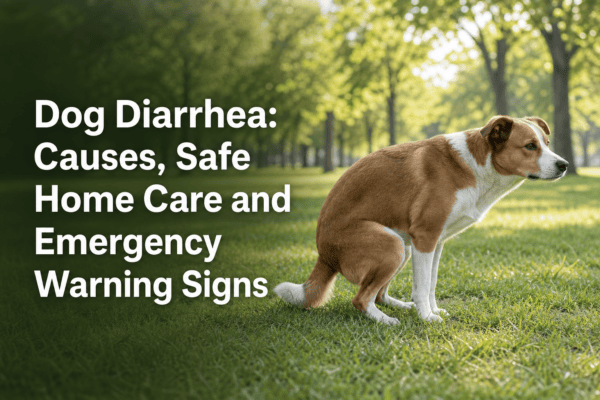
Dog Diarrhea: Causes, Safe Home Care and Emergency Warning Signs
Learn common causes of dog diarrhea, when gentle home care may be appropriate, and the warning signs that mean you should call a veterinarian right away.






Learn common causes of dog diarrhea, when gentle home care may be appropriate, and the warning signs that mean you should call a veterinarian right away.

Seeing your dog vomit can be worrying, but one isolated episode does not always mean there is a serious problem. Dogs may vomit after getting into garbage, changing foods suddenly, or swallowing something that irritates the stomach. Vomiting can also signal poisoning, an intestinal blockage, pancreatitis, infection, or disease affecting the kidneys or liver. The…

Keeping your pet’s mouth healthy is about far more than avoiding bad breath. Dental care plays a direct role in your dog or cat’s comfort, appetite, and long-term health. Plaque and tartar buildup can lead to painful inflammation, loose teeth, infections, and even damage beyond the mouth. The good news: with the right routine, most…

In recent years, more dog owners have turned to home-cooked meals as a healthier, more transparent alternative to commercial pet food. Preparing your dog’s meals at home can feel like an act of love, giving you full control over every ingredient that enters their bowl. However, it’s essential to understand that dogs have complex dietary…

Antimicrobial resistance is one of the most pressing challenges in both human and veterinary health. As resistant bacteria spread, the ability to effectively treat infections in animals becomes more complicated and costly. One of the most valuable tools veterinarians have to combat this threat is the antibiogram. Systematically collecting and analyzing bacterial sensitivity data provides…

What the purr is and How It Works Veterinary research shows the purr is generated by rhythmic neural signals that trigger rapid contractions of the laryngeal muscles. The purr occurs on both inhale and exhale as the glottis opens and closes, producing a steady vibration between 20 and 30 Hz. Low energy and largely automatic,…

Anxiety shows up as that trembling during storms, the cat hiding for hours, and the dog drooling when you grab your keys—none of this is “just how they are.” These patterns reflect canine and feline anxiety, not stubbornness or spite. With a thoughtful plan to target anxiety through training, environmental tweaks, and veterinary guidance, confidence…
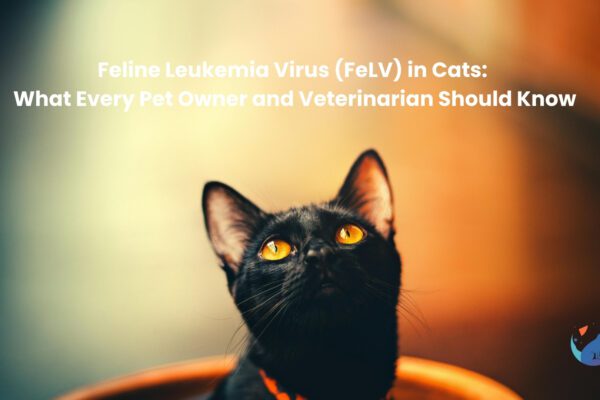
Feline health can be complex, but few diagnoses evoke as much concern as Feline Leukemia Virus, commonly abbreviated as FeLV. This contagious virus is one of the leading causes of illness and death in domestic cats worldwide. Affecting the immune system and predisposing cats to a range of secondary infections, cancers, and chronic conditions, understanding…
When it comes to tick-borne diseases in dogs, few are as insidious and widespread as Ehrlichiosis. This condition, caused by bacteria transmitted through tick bites, can lead to serious health issues if left untreated. Whether you’re a concerned pet owner or a veterinary professional, understanding the nuances of this disease is vital for timely detection…
Leishmaniosis is a serious, often life-threatening disease that affects millions of dogs worldwide, particularly in tropical and subtropical regions. Caused by the Leishmania parasite and transmitted through the bite of infected sandflies, this disease poses a significant health risk not only to dogs but, in some cases, also to humans. In recent years, global warming…