
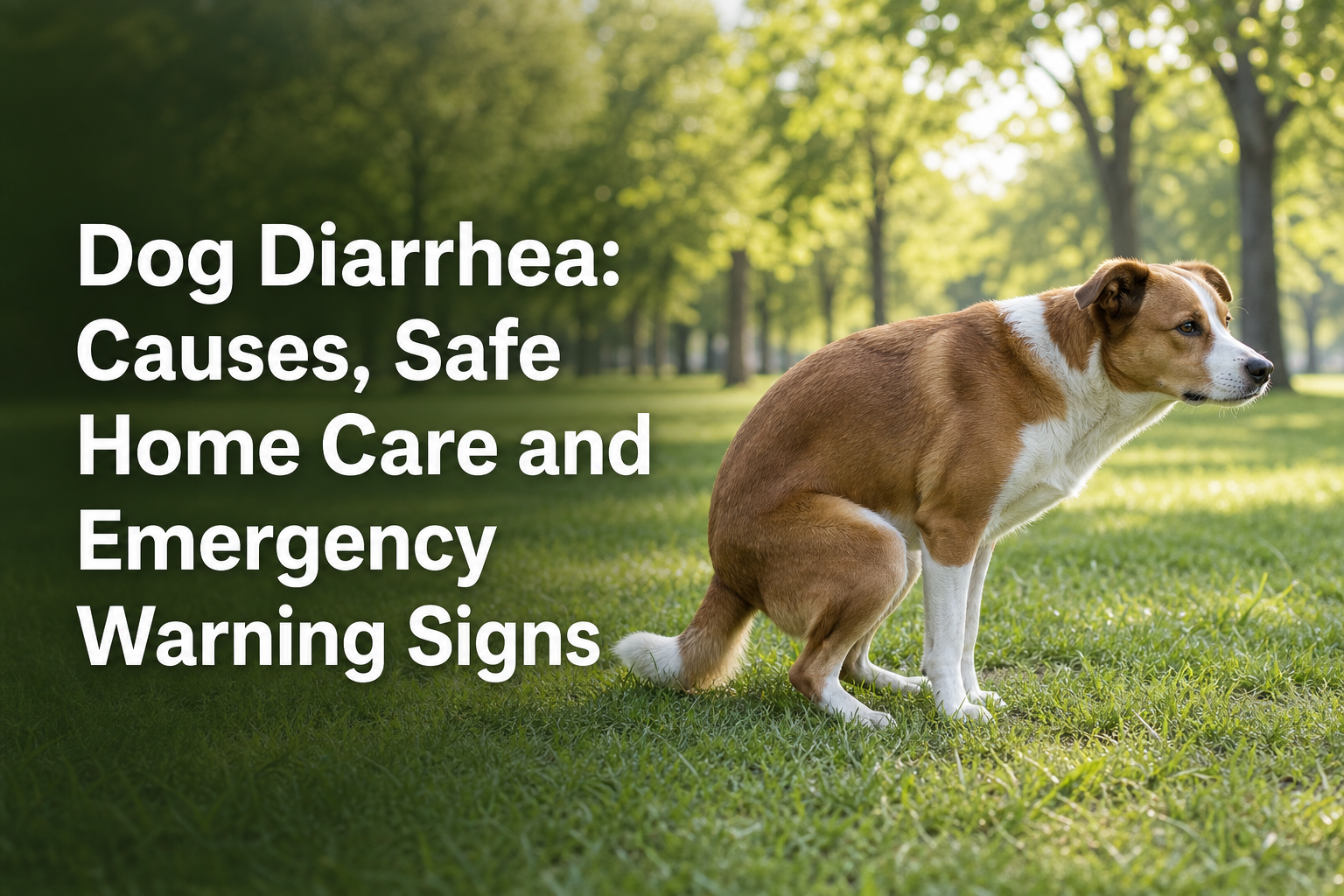
Dog diarrhea is common, but it can be stressful for both pets and owners. A single soft stool in an otherwise comfortable, energetic adult dog may settle quickly. Repeated watery stools, however, can lead to dehydration and may signal a problem that needs veterinary attention.
The most important thing is to look at the whole dog, not only the stool. Is your dog drinking water, interested in food, and acting normally? Or are they tired, uncomfortable, vomiting, or refusing to eat? Those details help determine whether careful home monitoring may be appropriate or whether it is time to call a veterinarian.
What counts as diarrhea in dogs?
Diarrhea is stool that is softer, looser, more frequent, or more watery than normal. Some dogs may urgently ask to go outside, have accidents indoors, strain to pass small amounts of stool, or pass stool with mucus.
A single soft stool can happen after a minor food change, a stressful day, or an extra-rich treat. Ongoing diarrhea deserves more attention, especially in small dogs, puppies, senior dogs, or dogs with existing medical conditions.
Common causes of dog diarrhea
Diarrhea is a symptom, not a diagnosis. Many cases are mild and short-lived, but the underlying cause can range from a temporary upset stomach to a condition that needs testing and treatment.
- Eating garbage, table scraps, spoiled food, or something unfamiliar
- A sudden change in dog food or too many rich treats
- Stress from travel, boarding, visitors, or a disrupted routine
- Intestinal parasites, including worms or Giardia
- Bacterial or viral infections
- Food intolerance, allergy, medication side effects, or digestive inflammation
- Pancreatitis, toxin exposure, a swallowed object, or an intestinal blockage
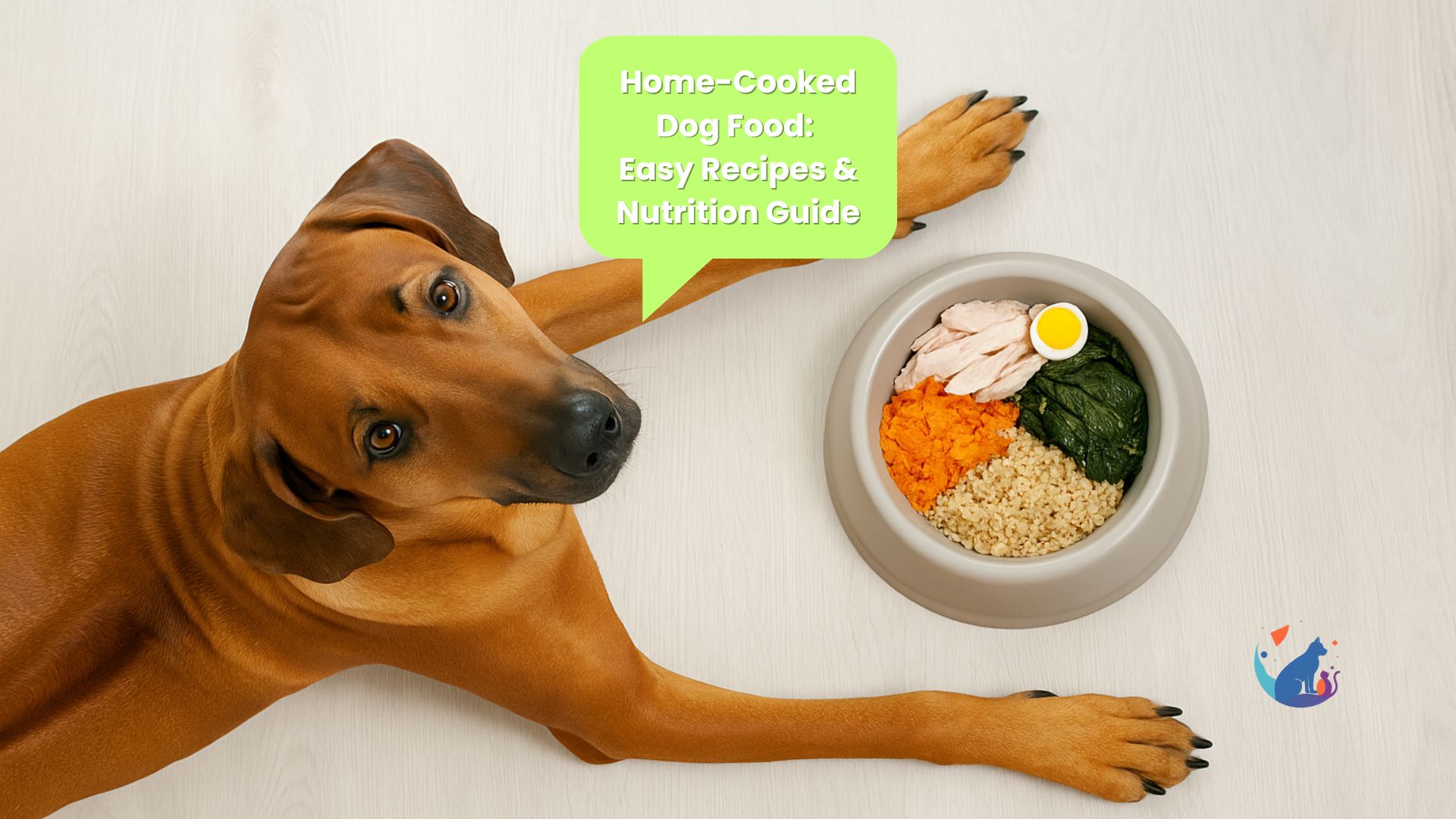
A fast change in diet is a common and avoidable trigger. If you are considering fresh or home-prepared meals, use a nutritionally balanced plan and make changes gradually. Our home-cooked dog food guide explains why nutrition and a slow transition both matter.
When can you try safe home care?
Home care may be reasonable for a healthy adult dog with mild diarrhea if they are bright, comfortable, drinking water, and not vomiting. If you are unsure, call your veterinary team first. A brief conversation can help determine whether your dog should be seen.
Keep fresh water available
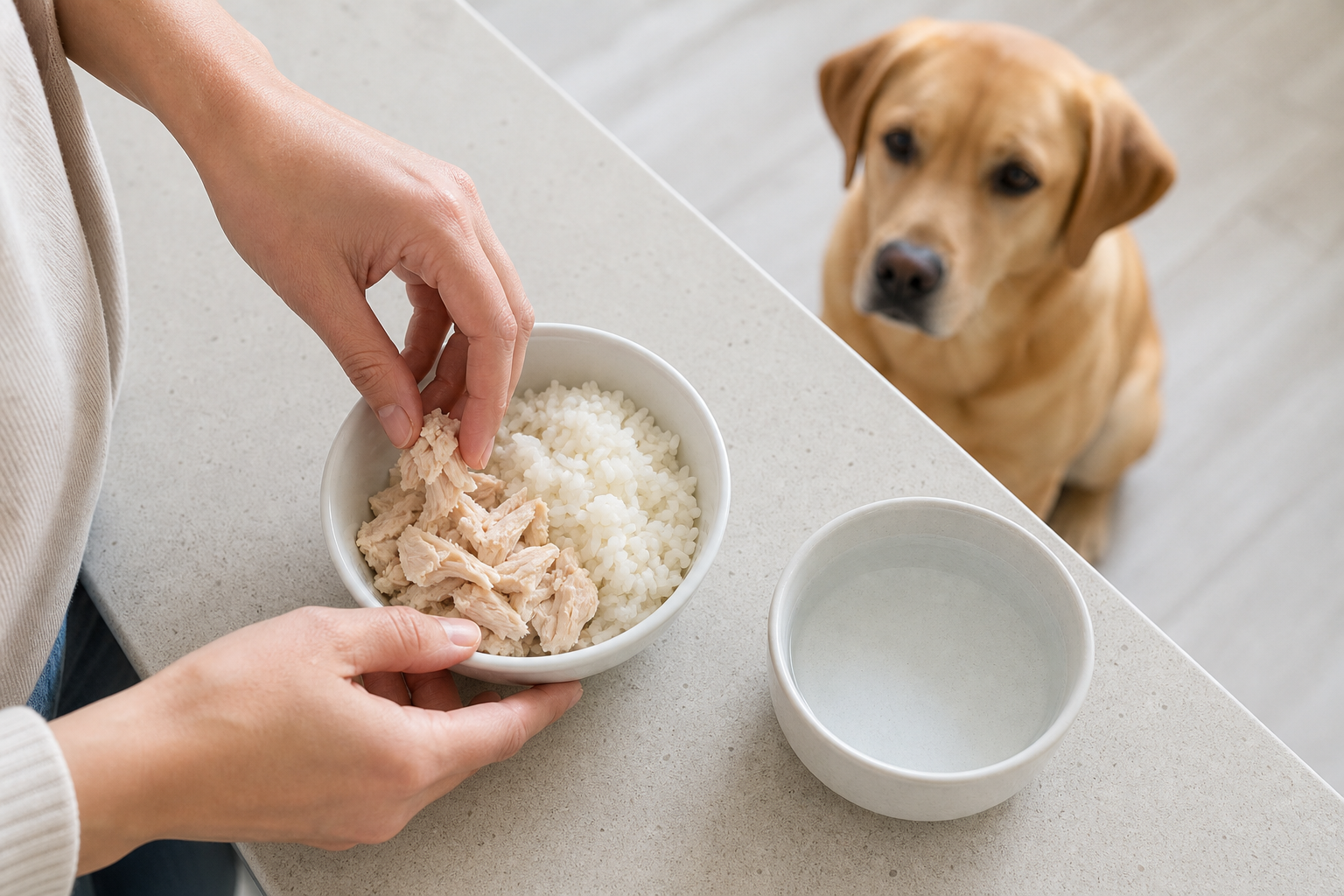
Diarrhea causes fluid loss, so keep clean water available at all times. Watch to make sure your dog is drinking normally. Do not force large amounts of water into your dog?s mouth, particularly if they feel nauseated or are vomiting.
Dry or tacky gums, sunken-looking eyes, unusual weakness, or skin that does not quickly return to place when gently lifted can suggest dehydration. These signs are a reason to call a veterinarian promptly.
Offer a gentle, easy-to-digest meal
If your dog is not vomiting and your veterinarian agrees that home care is appropriate, small meals of a bland, easy-to-digest diet may help. A veterinary gastrointestinal diet is often the simplest option because it is formulated for digestive support.
Some veterinarians may recommend a short-term bland meal such as plain boiled, skinless chicken with white rice. This is not a complete long-term diet, and it is not right for every dog. Avoid it if your dog has a known food allergy, has been prescribed a specific diet, or has a medical condition that affects feeding choices.
Offer small portions more often rather than one large meal. When stools are returning to normal, transition gradually back to your dog?s usual food over several days. For more veterinary guidance on bland diets and hydration, see Cornell University College of Veterinary Medicine?s dog-diarrhea guidance.
Keep treats and extras off the menu
Skip rich treats, fatty foods, bones, dairy products, table scraps, and new chews while your dog recovers. These can worsen the upset stomach or make it harder to tell whether your dog is getting better.
Ask before giving probiotics or supplements
Your veterinarian may recommend a pet-specific probiotic or digestive-support product. Do not give human anti-diarrheal medications, pain relievers, or stomach medicines unless your veterinarian specifically directs you to. Some common human medicines can be harmful to dogs or can make certain problems more dangerous. VCA Animal Hospitals? home-care guidance explains why veterinary advice should come before medication.
Emergency warning signs: call a veterinarian right away
Do not wait for home care to work if your dog has blood in the stool, black and tar-like stool, repeated vomiting, an inability to keep water down, severe weakness, collapse, a swollen or painful abdomen, refusal to eat or drink, signs of dehydration, suspected poisoning, or a possible swallowed object.
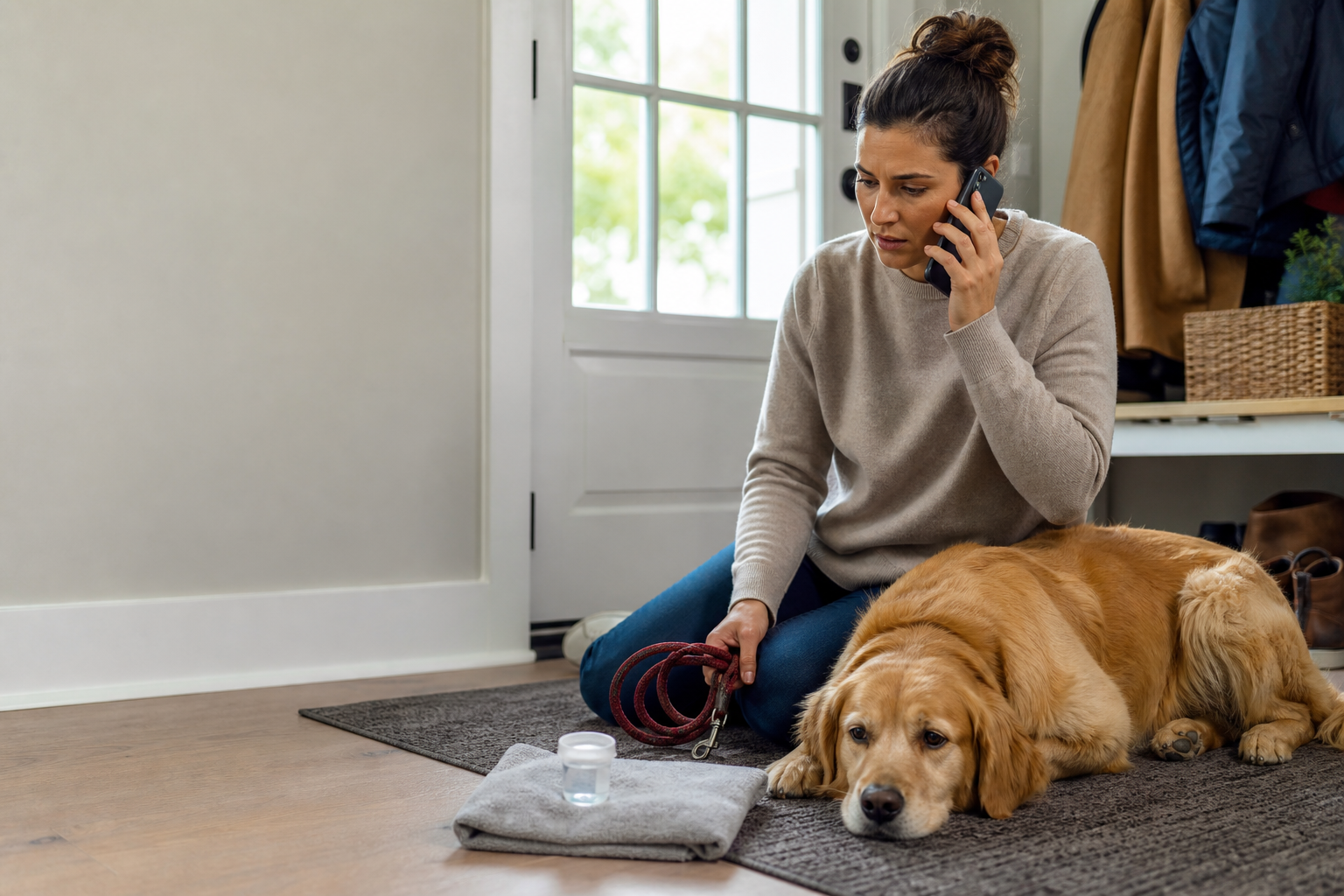
Use extra caution with puppies, senior dogs, and dogs with diabetes, kidney disease, liver disease, or another ongoing condition. Puppies can become dehydrated quickly, and diarrhea may be associated with parasites, dietary issues, or contagious illness. Keep vaccinations and parasite prevention current; our guide to core vaccines for dogs covers the basics.
When should you schedule a veterinary visit?
Even if your dog does not seem critically ill, contact your veterinarian if diarrhea lasts longer than a day or two, keeps returning, or does not improve with the plan your veterinary team recommended.
Your veterinarian may ask about recent food changes, treats, travel, stress, medications, vaccination history, and access to trash, toys, plants, or toxins. They may ask you to bring a fresh stool sample. A fecal test can check for parasites, while bloodwork or imaging may be needed when there are more serious signs.
What to note before you call
- When the diarrhea started and how often your dog is passing stool
- Whether the stool is soft, watery, mucusy, bloody, or black
- Whether vomiting is present
- Changes in appetite, thirst, energy, or behavior
- Recent food changes, treats, boarding, travel, or stressful events
- Possible access to garbage, bones, toys, plants, medications, or toxins
Can dog diarrhea be prevented?
Not every case is preventable, but gradual food changes, safe storage of garbage and harmful items, limited table foods, regular parasite prevention, and up-to-date vaccinations can lower the risk.
If diarrhea comes with vomiting, read our guide to common causes of vomiting in dogs. Vomiting and diarrhea together can increase the risk of dehydration, so it is especially important to watch your dog closely and seek help early if they are worsening.
The bottom line
Mild diarrhea in a bright, comfortable adult dog can sometimes improve with veterinary-guided home care, fresh water, and a gentle diet. But blood, black stool, vomiting, pain, lethargy, dehydration, or rapid worsening are warning signs that need prompt veterinary attention. When in doubt, call your veterinarian. It is always better to ask early than to wait until your dog is much sicker.
This article is for general education and does not replace an examination or advice from your veterinarian. Contact a veterinary professional promptly if you are concerned about your dog?s condition.