













Pet health made easier to understand
Straightforward pet health guides for dog and cat owners
When something changes with your pet, it helps to know what might be normal, what to watch, and when to call a veterinarian. Veterinary Space collects plain-English guides on everyday care, symptoms, nutrition, behavior, prevention, and common health questions.
Questions about your dog?
Browse guides on puppy care, vaccines, parasites, food, dental problems, anxiety, and changes that may be worth discussing with your vet.
See dog guides -> Cat careQuestions about your cat?
Find articles on feline behavior, purring, FeLV, dental care, appetite changes, and signs that should not be ignored.
See cat guides ->Start here
Common questions pet owners look up first
If you are trying to make sense of a symptom or care routine, these guides are good places to begin.

Dental health in dogs and cats
Bad breath, tartar, sore gums, and trouble eating can be connected. Start here if you are worried about your pet’s mouth.
Read the guide ->
Home-cooked dog food
Thinking about cooking for your dog? Review the basics before changing meals, ingredients, or supplements.
Read the guide ->
Anxiety in dogs and cats
Pacing, hiding, barking, scratching, or clingy behavior can have several causes. Learn what may help and when to ask for advice.
Read the guide ->Browse by concern
What are you trying to figure out?
Choose the topic that feels closest to what is happening with your pet.
When to call a vet
Use this site to learn, not to delay urgent care
These guides can help you understand possibilities and prepare better questions. They cannot replace an exam. If your pet has trouble breathing, collapse, severe pain, repeated vomiting, a seizure, major bleeding, sudden weakness, or a symptom that is getting worse quickly, contact a veterinarian or emergency clinic right away.
Before a visit, it can help to note:
- Write down when the symptom started and what changed.
- Note appetite, drinking, bathroom habits, energy, and medication history.
- Bring photos, videos, food labels, or vaccine records when they help explain what you are seeing.
More helpful reads
Keep reading by topic
 Feline Leukemia Virus in catsWhat FeLV can mean for testing, risk, and care.
 Understanding Ehrlichiosis in dogsA plain-language look at a tick-borne disease in dogs.
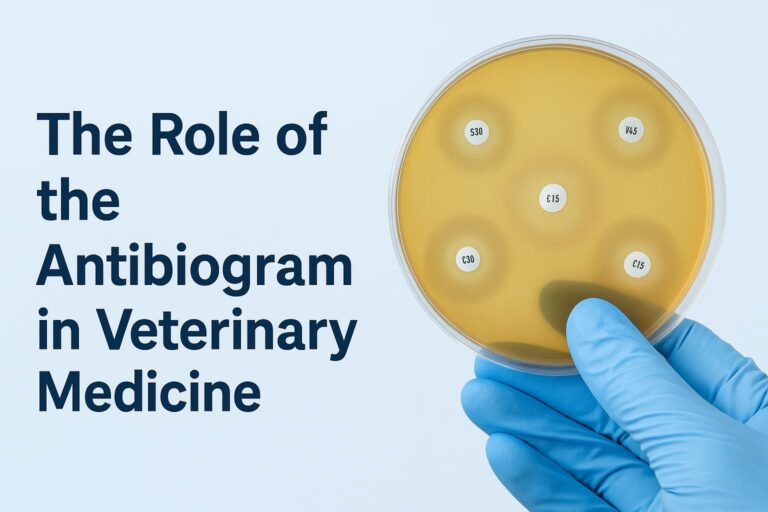 The role of the antibiogramWhy vets sometimes use lab results to choose an antibiotic.
 We are getting a puppyEarly care questions before bringing a puppy home.