






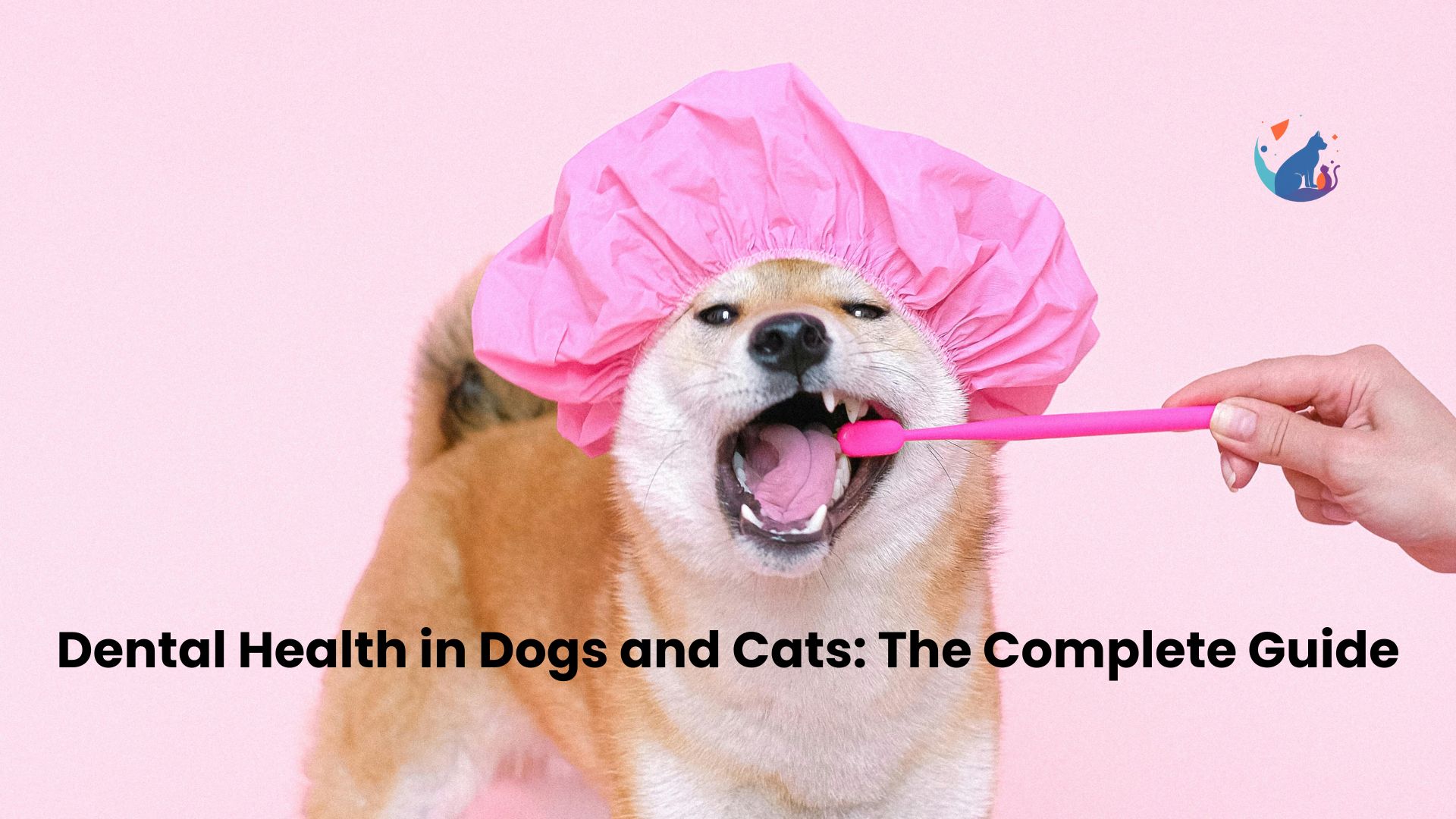
Keeping your pet’s mouth healthy is about far more than avoiding bad breath. Dental care plays a direct role in your dog or cat’s comfort, appetite, and long-term health. Plaque and tartar buildup can lead to painful inflammation, loose teeth, infections, and even damage beyond the mouth. The good news: with the right routine, most pets can maintain healthier teeth and gums for life. This guide covers what dental disease looks like, why it happens, how to prevent it at home, and when a veterinarian should step in.
Why Dental Health Matters for Dogs and Cats
Dogs and cats don’t get cavities as often as people, but they commonly develop periodontal disease—an infection and inflammation of the tissues that hold teeth in place. Periodontal disease begins when bacteria form a sticky film (plaque) on the teeth. If plaque isn’t removed, it hardens into tartar (calculus), which pushes under the gumline and triggers ongoing inflammation. Over time, the gum attachment and bone can erode, leading to tooth loss.
Chronic dental infection can also contribute to broader health concerns. Bacteria from inflamed gums may enter the bloodstream, potentially stressing organs such as the heart, kidneys, and liver—especially in older pets or those with existing illness. Protecting dental health is one of the most impactful ways to support overall wellness.
Common Dental Problems in Pets
1) Periodontal disease
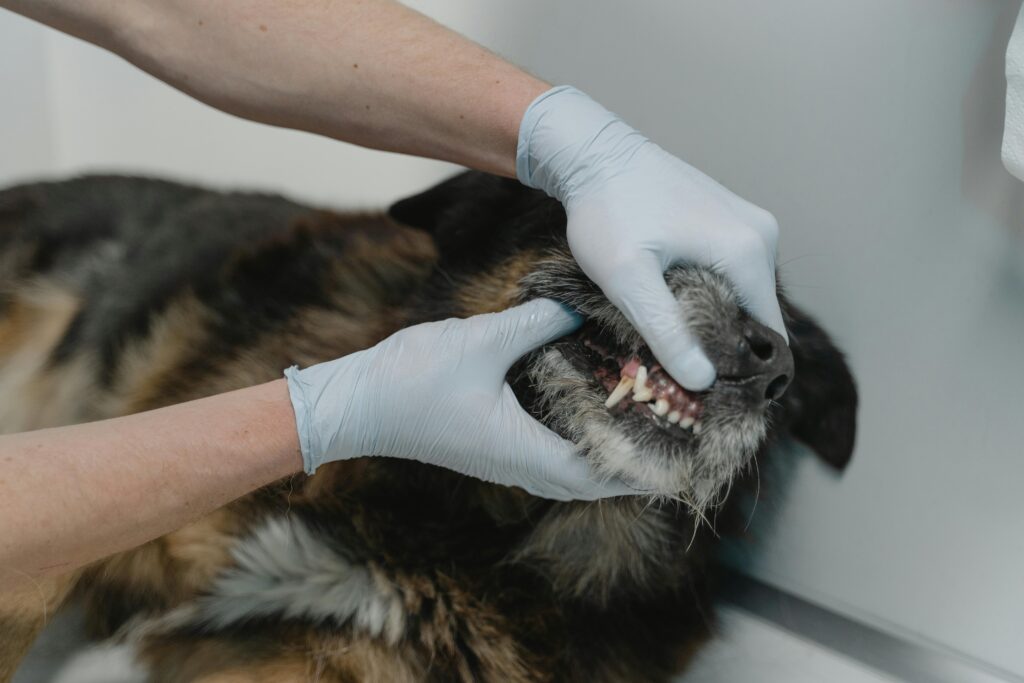
This is the most frequent dental condition in dogs and cats. Signs range from mild gingivitis (red gums) to advanced disease with severe tartar, bleeding, and loose teeth.
2) Tooth fractures
Chewing hard objects (bones, antlers, nylon toys, rocks) can crack teeth. Fractures may expose the pulp (the sensitive inner tissue), causing significant pain and infection. This is a true dental emergency.
3) Tooth resorption in cats
Many cats develop tooth resorption, a painful condition where the tooth structure breaks down. It often affects the neck of the tooth and may be hard to see without dental X-rays.
4) Malocclusion and crowded teeth
Some breeds—especially small dogs and flat-faced breeds—have crowded mouths that trap debris, increasing dental plaque buildup and gum inflammation.
5) Oral masses and stomatitis
Cats can develop severe inflammation (stomatitis), and both species can develop growths that require urgent evaluation. Any persistent mouth pain or bleeding warrants a prompt veterinary dental exam.
Signs of Dental Disease: What to Watch For
Pets are good at hiding discomfort, so subtle signs matter. Contact a veterinarian if you notice:
- Bad breath (halitosis)
- Yellow or brown tartar on teeth
- Red, swollen, or bleeding gums
- Drooling, pawing at the mouth, or facial swelling
- Reluctance to chew, dropping food, or eating on one side
- Reduced appetite or preference for soft food
- Loose teeth or missing teeth
- Behavioral changes (irritability, hiding, reduced play)
Even mild symptoms can signal developing dental disease. Early care is easier, safer, and typically more affordable than treating advanced infection.
What Causes Dental Disease in Dogs and Cats?
Most dental issues begin with plaque bacteria. Several factors increase risk:
- Age: risk increases as plaque accumulates over time
- Breed and size: small dogs often have crowded teeth; brachycephalic pets may have malocclusion
- Diet and chewing habits: soft food can stick to teeth; very hard chews can fracture teeth
- Genetics: some pets are predisposed to gum disease or feline tooth resorption
- Home care consistency: daily brushing is the gold standard for dental prevention
At-Home Dental Care: What Actually Works
Daily tooth brushing (best option)
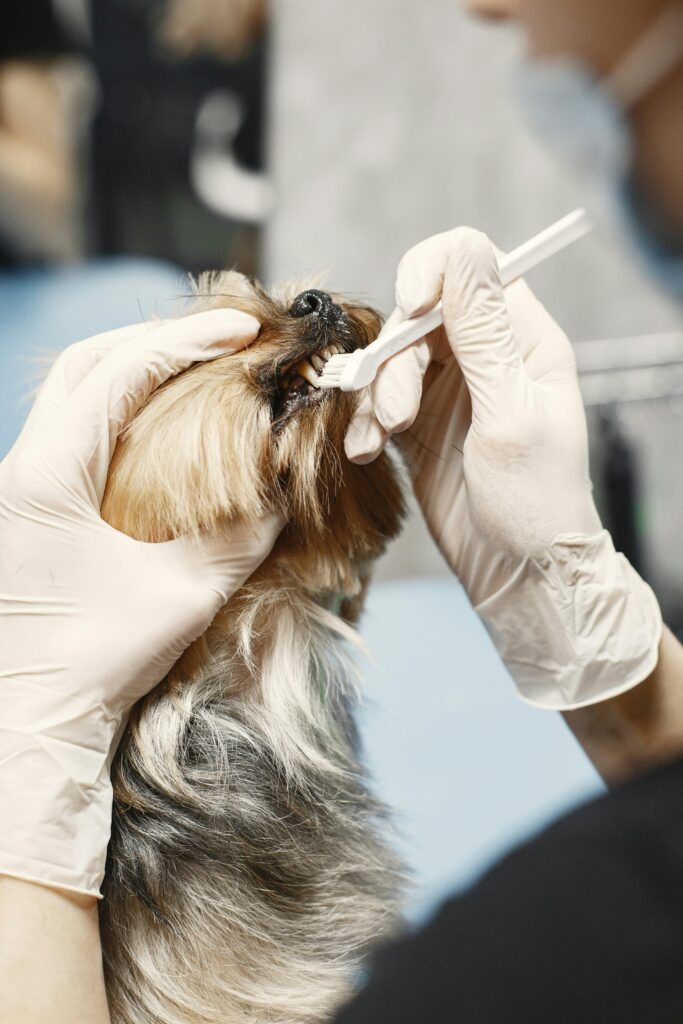
Brushing physically disrupts plaque before it turns into tartar. Use a pet-specific toothbrush or finger brush and a veterinary toothpaste (never human toothpaste, which may contain xylitol or fluoride levels not intended for pets). Aim for dental brushing once daily; even 3–4 times per week can help.
Brushing tips:
- Start slow: let your pet lick toothpaste, then gently rub gums, then add the brush
- Focus on the outer surfaces of the upper teeth—tartar builds there fastest
- Keep sessions short and positive, using treats and praise
Dental chews and treats (choose evidence-based)
Not all chews are equal. Look for products evaluated by the Veterinary Oral Health Council (VOHC), which indicates the product has data supporting plaque and/or tartar reduction. Chews can support dental hygiene, but they do not replace brushing.
Safety note: avoid extremely hard chews that can crack teeth. If you can’t indent it with a fingernail, it may be too hard.

Dental diets (helpful for some pets)
Certain prescription or formulated dental diets use kibble texture and fiber structure designed to scrub teeth and reduce plaque retention. These can be useful for dogs and some cats, especially when brushing is difficult.
Water additives, gels, and wipes
These can reduce bacterial load and freshen breath, but their effect is usually modest compared to brushing. They are best used as part of a complete dental routine.
Professional Dental Cleaning: What to Expect
A thorough veterinary dental cleaning is performed under anesthesia for safety and accuracy. An awake “cleaning” cannot reach under the gumline, where periodontal disease causes the most damage, and it doesn’t allow proper scaling, polishing, or pain-free evaluation.
A typical professional dental procedure includes:
- Full oral exam
- Scaling above and below the gumline
- Polishing to smooth enamel and slow plaque attachment
- Dental X-rays to assess roots and bone (especially important in cats)
- Treatment planning for extractions or advanced care if needed
If your pet has significant disease, extractions may be recommended. Removing painful, infected teeth often improves quality of life dramatically—many pets eat better and become more playful afterward.
How Often Should Pets Get Dental Checkups?
Most pets should have an oral exam at least once a year. Small breed dogs and many cats benefit from earlier and more frequent dental monitoring. Your veterinarian may recommend professional cleaning intervals ranging from every 6 to 24 months, depending on plaque buildup, gum health, and breed risk.
Puppies and kittens should also receive early mouth checks. Retained baby teeth in dogs, abnormal bites, and early gingivitis can all affect lifelong oral health.
Preventing Dental Disease: A Simple Routine
A practical, effective plan looks like this:
- Brush with veterinary toothpaste daily (or as often as possible)
- Use VOHC-accepted dental chews or treats appropriately
- Consider a dental diet if recommended
- Schedule yearly veterinary exams with oral assessments
- Plan professional cleanings when tartar or gum disease appears
- Avoid unsafe chew items that can fracture teeth
Consistency matters more than perfection. Even small improvements in everyday habits can help reduce inflammation and slow the progression of disease.
When to See a Veterinarian Urgently
Seek prompt care if your pet has:
- Facial swelling
- Broken tooth, bleeding, or visible pulp exposure
- Refusal to eat for more than 24 hours
- Sudden severe drooling or mouth pain
- A foul odor plus discharge from the mouth or nose
These may indicate abscesses, advanced periodontal disease, or other urgent dental conditions requiring treatment.
Final Thoughts on Dental Health in Dogs and Cats
Healthy teeth and gums are a cornerstone of comfort and longevity. Dental disease is common, but it’s also highly preventable with brushing, smart chew choices, and regular veterinary care. If you’re unsure where to start, ask your veterinarian for a personalized dental plan—especially if your pet is a small breed dog, an older cat, or already showing signs of gum inflammation. A little time spent on oral care now can prevent pain, tooth loss, and expensive treatments later.
This article provides general information and is not a substitute for veterinary diagnosis or treatment. If your dog or cat shows signs of mouth pain, bleeding, swelling, or difficulty eating, consult a veterinarian for an exam and tailored advice.